
The Allure of Casino Games
Casino games have a unique allure that captivates players worldwide. The vibrant atmosphere, the sounds of spinning reels, and the thrill of potential wins create a compelling environment that influences game choices. Many players are drawn to the excitement that comes with gambling, often driven by adrenaline and the anticipation of winning. This psychological rush is a significant factor behind why individuals choose certain games over others, including online casinos not on gamstop.

Moreover, the design of casino games plays a crucial role in attracting players. Bright colors, engaging themes, and enticing bonuses can make specific games more appealing. The psychology of choice suggests that players may gravitate towards games that promise higher levels of engagement and interaction, thus amplifying their gambling experience. Understanding these attributes helps to explain the preferences and behavior patterns of casino-goers.
Cognitive Biases in Betting Decisions
Cognitive biases significantly impact how players approach their betting strategies. The illusion of control, for instance, leads players to believe they can influence the outcome of games that are predominantly random, such as slot machines or roulette. This belief can cause individuals to favor games where they perceive a higher level of involvement, even when the odds are against them.
Another cognitive bias is the gambler’s fallacy, which is the belief that past outcomes affect future results in independent events. For example, a player may choose to bet on red in roulette after a series of black outcomes, thinking that red is “due” to appear. Such biases can skew decision-making processes and result in irrational betting choices, often leading to more significant losses.
The Role of Social Influence
Social dynamics play a vital role in the choices players make when it comes to casino games. The presence of friends or other players can impact decisions, as individuals may feel compelled to follow the group’s preferences. This herd mentality often arises in communal betting environments, such as poker tables or crowded slot areas, where social interaction enhances the overall gaming experience.
Furthermore, social media and online platforms have transformed how players engage with casino games. Sharing experiences and game results can create a sense of community and influence the types of games individuals choose to play. Peer recommendations and trends can significantly sway decisions, indicating the powerful effect social factors have in shaping gambling behavior.
The Importance of Personal Factors
Individual traits such as risk tolerance, personal interests, and past experiences significantly influence game selection. Players with high-risk tolerance may be drawn to high-stakes games or those with greater volatility, such as certain table games, while more conservative players may prefer games with lower risk and steady payouts. Understanding these personal factors provides insight into why different individuals are attracted to particular games.
Additionally, demographic elements like age, gender, and cultural background can also dictate game preferences. Younger players might lean towards video slots with dynamic themes, while older players may prefer classic table games. Recognizing these variations is essential for casinos aiming to cater to a diverse audience and enhance player satisfaction.
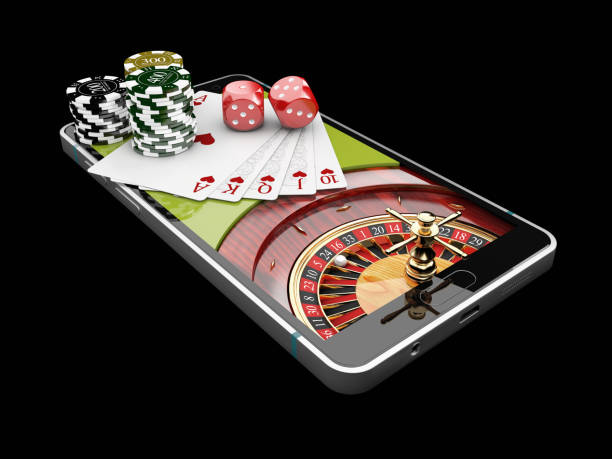
Conclusion – The Website’s Role in Understanding Casino Psychology
This exploration into the psychology behind casino game choices unveils the intricate factors that influence betting decisions. By diving into cognitive biases, social interactions, and personal attributes, we gain a deeper appreciation of the complexities involved in gambling. Understanding these elements can help players make more informed choices while enhancing their overall experience.
Furthermore, the website serves as a vital resource for those looking to delve deeper into this fascinating topic. With a wealth of information on casino psychology, players can better align their gaming strategies with their preferences and motivations, ultimately contributing to a more fulfilling gambling experience.